
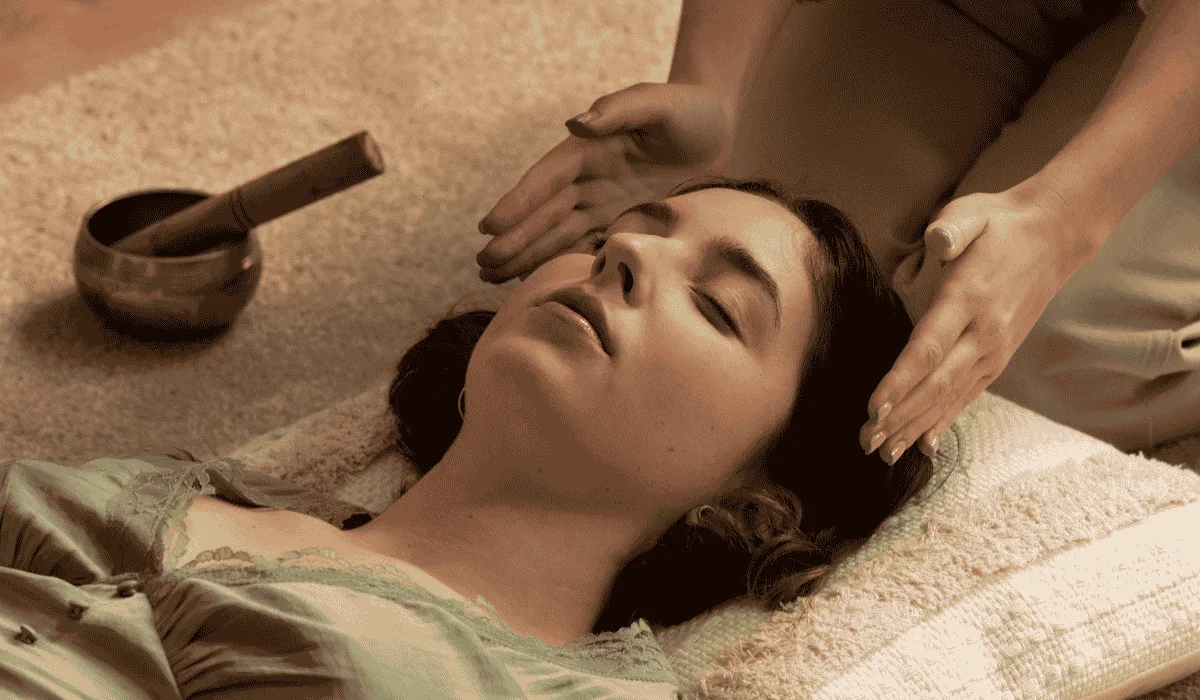
In today’s fast-moving world, more people are turning toward natural and whole-body approaches to feel better. Therapy is no longer just about talking—it’s also about feeling. That’s where holistic therapy sessions come in. But what really makes them different from traditional therapy? Let’s explore this in a clear and simple way.
Understanding Traditional Therapy
Traditional therapy is what many people think of when they hear the word “therapy.” It usually involves sitting in a quiet room with a licensed counselor or psychologist. The focus is mainly on your mind. You talk about your thoughts, feelings, past experiences, and how these may be affecting your present life. The aim is to help you understand yourself better and build coping skills.
You might learn how to deal with stress, overcome anxiety, or handle relationships. Traditional medicine can be long-term or short-term, depending on your needs. The tools used are based on science and psychology. The process is structured, and the therapist leads with methods that follow a plan.
What is a Holistic Therapy Session?
A holistic therapy session is different because it sees you as a whole person. It focuses not just on your mind, but also on your body and spirit. The idea is that these parts are deeply connected. If one part is not balanced, the rest can suffer too.
During a holistic therapy session, the therapist may talk with you, but they may also guide you through other healing practices. This could include breathing exercises, energy healing, or bodywork like massage. It all depends on what you need at that moment.
How Holistic Therapy Works
In a holistic therapy center, the approach is more open and flexible. There is no one-size-fits-all method. Your therapist may combine several methods based on what works best for you. This may include guided meditation, mindfulness, aromatherapy, or movement. Some people feel more relaxed with soft music or the use of essential oils. Others may find healing in creative ways like art or journaling.
Holistic therapy treatments are often gentle and calming. They help you connect deeply with yourself. The goal is not just to fix one issue, but to help you feel balanced, whole, and in tune with your inner self.
Key Differences Between Holistic and Traditional Therapy

One of the biggest differences is that traditional therapy focuses on mental and emotional health, while holistic therapy includes physical and spiritual health too. A traditional therapist might help you explore your childhood to understand your behavior today. A holistic therapist might guide you through breathing exercises to calm your body while also helping you reflect on your emotions.
In traditional therapy, the tools used are mostly based on talking and thinking. In a holistic session, the tools may also involve the senses and body movements. Even how you sit, breathe, or move is considered a part of your healing journey.
Another difference is the goal of the session. In traditional therapy, the goal is often to treat or manage a condition like anxiety, depression, or trauma. In holistic therapy, the goal is to bring balance and harmony to your whole being. Even if you don’t have a specific issue, you can still benefit from feeling more connected to yourself.
The Therapist’s Role
In traditional therapy, the therapist often acts like a guide or expert. They ask questions, listen, and give advice based on your answers. They use tested techniques to help you reach mental clarity and emotional stability.
In holistic therapy, the therapist acts more like a partner in healing. They are not just focused on what you say, but also on your energy, posture, breath, and overall state of being. Their role is to create a peaceful space where healing can happen in a natural way.
What to Expect in a Holistic Session
Every holistic therapy session is different because every person is different. Your therapist may begin by checking in with how you feel. Then, they may guide you through a few quiet moments of breathing. You may close your eyes and focus on your body.
Some sessions may include gentle movement, like stretching or yoga poses. Others may involve hands-on care like holistic massage therapy to release tension in your body. The session may also include quiet reflection or guided visualization.
You may feel relaxed, emotional, or energized afterward. The effects are often calming, and many people feel more in touch with themselves.
Who Can Benefit from Holistic Therapy?
Anyone can try holistic therapy. You don’t need to have a serious problem. In fact, many people visit a holistic therapy center just to feel more balanced or peaceful. Holistic therapy treatments can help if you feel stressed, disconnected, tired, or out of balance. They can also be helpful if you have physical pain that is linked to emotional stress.
It is also a great option for those who want to try natural healing methods. People who are open to spiritual or energy-based work often enjoy this type of therapy. It may not work for everyone, but for many, it brings a deep sense of peace.
Holistic Therapy in Physical Health
Holistic physical therapy is another area where this approach shines. Unlike regular physical therapy, which focuses mainly on injury recovery, holistic physical therapy also addresses emotional stress, posture, breathing, and energy flow. It’s not just about muscles and joints. It’s about your entire body working as one system.
Many people find that physical problems are closely tied to emotional ones. Holistic therapy treatments address both. This often leads to quicker recovery and long-term results.
Traditional vs Holistic: Which One is Right for You?
It depends on what you’re looking for. If you want a more structured, science-based approach, traditional therapy may suit you better. If you’re open to new experiences and want to heal on multiple levels, a holistic therapy session may be more helpful.
Some people even use both. They may see a traditional therapist for deeper mental health issues and visit a holistic therapy center for overall wellness and support. The choice is personal, and it’s okay to try different options to see what works best.
Final Thought
At the heart of healing is connection—connection to your body, mind, and inner peace. Holistic therapy sessions offer a path that goes deeper than just words. They give you space to breathe, feel, and gently realign with yourself. Therapies like cupping therapy can further support this journey by releasing deep-seated tension, improving circulation, and helping your body reset on a physical and energetic level. When used mindfully, cupping therapy can be a powerful complement to your holistic healing process.
If you’re ready to experience this kind of full-body healing at AcuHijama welcomes you to take that first step. With a caring, patient-focused approach, she blends traditional wisdom with modern techniques to help you feel whole again.
Book Your Session
Book your holistic therapy session today and begin your journey to balanced well-being.
Disclaimer
This blog is for educational purposes only and does not replace medical advice, diagnosis, or treatment. Please consult a qualified healthcare professional before beginning any therapy or wellness program.
FAQs
What is the difference between traditional therapy and holistic therapy?
Traditional therapy focuses mainly on the mind. Holistic therapy includes the body and spirit as part of the healing process.
What is a holistic session?
A holistic session may include talking, breathing, body movement, or energy work, depending on what the person needs most.
What is the difference between holistic counseling and traditional counseling?
Traditional counseling uses structured talk therapy. Holistic counseling adds body-based or spiritual healing methods to the session.
What is the difference between holistic and therapeutic?
Therapeutic means something helps you heal. Holistic means the healing includes all parts of you—mind, body, and spirit.
Is holistic therapy only for spiritual people?
No, anyone can benefit. You don’t need to follow any belief system. Just being open to healing is enough.
Does holistic therapy include physical touch?
Sometimes yes, especially if it involves holistic massage therapy or bodywork. But only with your full consent.
Can holistic therapy treat physical pain?
Yes, especially if the pain is related to stress or emotional tension. Holistic physical therapy can be very effective.
How long is a holistic therapy session?
Sessions usually last between 60 to 90 minutes, depending on the methods being used.
Is holistic therapy safe for everyone?
Yes, it is generally safe. However, it’s always best to talk to your doctor if you have serious medical concerns.
Can I combine holistic and traditional therapy?
Yes, many people do. It can give you the best of both worlds—emotional support and full-body healing.

Amal Khaled is a board-certified practitioner in Oriental Medicine and the lead practitioner at Acu Hijama. With over a decade of experience, Amal holds a Master’s degree in Oriental Medicine, a Diploma in Clinical Homeopathy, and certifications in Hijama and Modern Leech Therapy. She is passionate about sharing her expertise in holistic health with her patients through her articles and blogs. Amal combines traditional healing methods with modern medical practices, offering personalized treatments to promote optimal health and wellness.


