
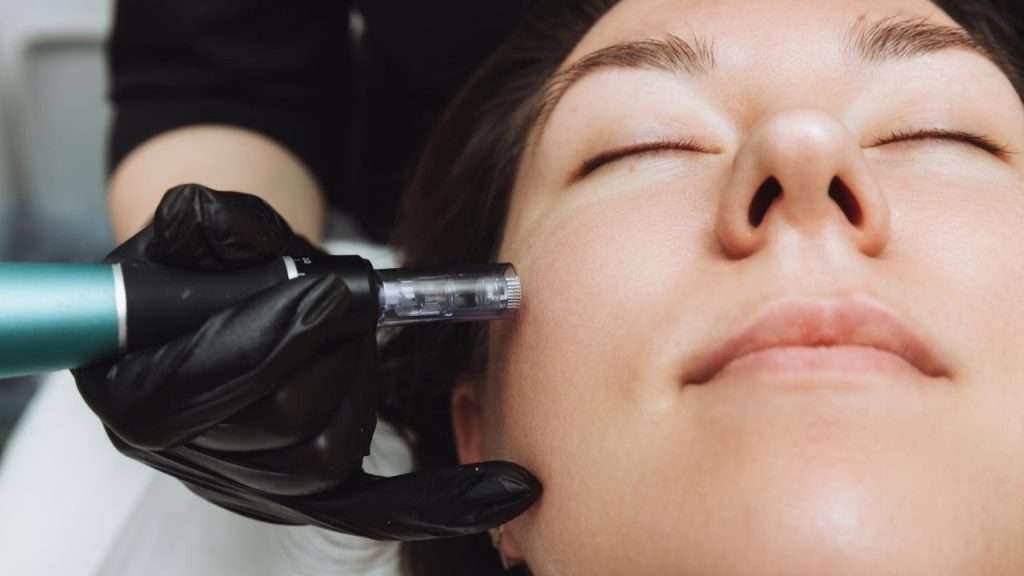
Have you been considering microneedling for skin rejuvenation, but the thought of potential pain is holding you back? It’s a common concern for many people, and you’re not alone in wondering: “Does microneedling hurt?” If you’ve seen advertisements, testimonials, or even friends raving about the benefits of this treatment, you may have heard conflicting reports about its pain level. Some people describe it as a quick, minimal discomfort, while others suggest it’s more painful than anticipated.
So, what’s the truth? In this blog, we’ll dive deep into the real experience behind microneedling pain, explore whether it’s truly painful, and give you all the information you need to make an informed decision about whether microneedling is the right choice for you.
What Is Microneedling?
Microneedling, also known as collagen induction therapy, is a minimally invasive procedure that involves using tiny needles to create controlled micro-injuries in the skin’s surface. These microscopic punctures stimulate the skin’s natural healing process, promoting the production of collagen and elastin—two essential components that help keep your skin smooth, youthful, and firm.
The treatment is popular for its ability to improve the appearance of acne scars, hyperpigmentation, fine lines, and stretch marks. Microneedling can also help improve overall skin texture and tone. But despite its proven benefits, the question of pain often stops people from taking the plunge. Let’s take a closer look at how painful is microneedling and whether it’s worth the potential discomfort.
Does Microneedling Hurt?
Does microneedling hurt? The truth is, microneedling pain is relative. Pain tolerance varies from person to person, and the level of discomfort experienced will depend on several factors, including:
- The Depth of the Needles: Microneedling treatments can range from superficial to deep. Superficial treatments (e.g., for mild skin texture issues) are usually quite comfortable, while deeper treatments (e.g., for acne scars or deep wrinkles) may cause more discomfort.
- The Area Being Treated: Some areas of the face are more sensitive than others. For example, the skin around your eyes, mouth, or jawline may be more sensitive than the forehead or cheeks.
- Individual Pain Tolerance: Everyone’s pain threshold is different. What one person might find completely tolerable, another may feel more uncomfortable.

How Microneedling Feels: What To Expect
When you ask, “How painful is microneedling?”, it’s important to understand the treatment process. Here’s a breakdown of what typically happens during a microneedling session:
- Numbing Cream: Before beginning, your practitioner will apply a numbing cream to the area being treated. This helps reduce discomfort during the procedure, making the treatment far more tolerable.
- During the Procedure: Once the numbing cream has taken effect, your practitioner will use a microneedling device that contains small, fine needles to create tiny punctures in the skin. Patients often describe the feeling as mild scratching or a sensation similar to light pinpricks. While there is some discomfort, the process is generally manageable.
- After the Procedure: After the procedure, you may feel a slight sunburn-like sensation. This is normal and typically subsides after a few hours to a day. Redness and mild swelling are common post-micorneedling treatment effects and usually resolve within a day or two.
In most cases, microneedling is not unbearable, and many people find that the discomfort is much less than expected. The use of numbing cream helps make the procedure more comfortable, and the discomfort is generally brief.
Factors Affecting Microneedling Pain
1. Needle Depth
The depth of the needles used during microneedling for skin rejuvenation plays a significant role in the level of discomfort. For superficial treatments aimed at improving skin texture, the needles typically don’t penetrate deeply, making the experience fairly painless. However, deeper treatments aimed at addressing acne scars, stretch marks, or deep wrinkles may involve a more intense sensation, but again, numbing cream minimizes the discomfort.
2. Area of the Skin
Certain areas of your skin are more sensitive than others. The skin around your eyes and mouth, for example, may feel more sensitive than other parts of your face. However, most areas of the skin, like the forehead and cheeks, can tolerate the procedure without much discomfort.
3. Pain Tolerance
Some individuals are naturally more sensitive to pain than others. While many patients report only mild discomfort during the procedure, others may feel more intense sensations. That being said, the numbing cream used before the treatment makes the experience much more manageable.
Is Microneedling Painful Compared To Other Treatments?
Many people hesitate to try microneedling because they think it might be more painful than other skin treatments. To help you compare the pain level, here’s a quick look at how microneedling stacks up against other popular skincare treatments:
Comparison Table: Microneedling vs. Other Skin Treatments
| Treatment | Pain Level | Downtime | Effectiveness |
| Microneedling | Low to Moderate (numbing cream used) | Minimal (1-2 days of redness) | Effective for acne scars, fine lines, and hyperpigmentation |
| Chemical Peels | Moderate to High (depending on strength) | Moderate (skin peeling for 3-7 days) | Effective for superficial pigmentation and skin texture |
| Laser Treatment (IPL) | High (intense heat) | Moderate (1-2 weeks of redness, swelling) | Very effective for deep pigmentation and skin resurfacing |
| Botox | Low | None | Effective for fine lines and wrinkles |
Key Takeaways:
- Microneedling is much less painful than laser treatments and chemical peels, with most patients reporting only mild discomfort.
- The use of numbing cream ensures the treatment remains tolerable, even for those with a low pain threshold.
- Chemical peels and laser treatments tend to be more intense and involve longer recovery times.
Microneedling In Chicago: The Best Option For Your Skin
If you’re considering microneedling in Chicago or the nearby area of Park Ridge, finding a skilled and experienced practitioner is crucial. At AcuHijama, led by Amal Khaled, we specialize in microneedling for hyperpigmentation, acne scars, and overall skin rejuvenation. Whether you’re looking to smooth out skin texture or reduce the appearance of scars, we provide a comfortable and professional environment for your treatment.
Microneedling has become one of the most sought-after treatments due to its effectiveness and minimal discomfort. Our team at AcuHijama ensures a personalized approach for each patient, providing you with the best possible experience while achieving your skincare goals.
Conclusion
So, does microneedling hurt? The truth is, it’s not as painful as some might think. With the help of numbing cream and the fast nature of the treatment, most patients find microneedling to be a comfortable and quick procedure with minimal discomfort. The benefits—improved skin texture, reduced acne scars, and overall rejuvenation—far outweigh the mild discomfort that may be experienced during the session.
If you’re ready to experience the power of microneedling for skin rejuvenation, book an appointment with AcuHijama today. Let Amal Khaled helps you achieve smooth, glowing skin with this safe and effective treatment.
FAQs:
1. Why do I look older after microneedling?
While it’s uncommon, some people may experience temporary redness, swelling, or bruising after microneedling, which can make them appear older in the short term. These effects usually subside within a few days..
2. Is there scientific evidence for microneedling?
Yes, there is scientific evidence supporting the effectiveness of microneedling. Studies show that it can improve skin texture, reduce fine lines and wrinkles, and even help with scars and hyperpigmentation by stimulating collagen production.
3. Who is a bad candidate for microneedling?
Individuals with active acne, eczema, or other inflammatory skin conditions may not be ideal candidates for microneedling. Also, people with certain medical conditions like blood clotting disorders or those who are pregnant should consult a dermatologist before considering microneedling.
4. Can skin get worse after microneedling?
It’s possible for skin to temporarily worsen after microneedling, especially if the treatment was too aggressive or not properly followed by aftercare. Some people may experience post-inflammatory hyperpigmentation or irritation, but these side effects usually subside with time and proper skin care.
5. Why am I not seeing results from microneedling?
If you’re not seeing results from microneedling, it could be due to several factors, such as inadequate treatment depth, insufficient sessions, or unrealistic expectations. Microneedling often requires multiple sessions for noticeable results.
Disclaimer: The content provided on this blog is for informational purposes only. It is not intended to diagnose, treat, or provide medical advice. Always seek the guidance of your healthcare provider or a qualified professional regarding any medical concerns or before starting any new treatments, therapies, or lifestyle changes. Results may vary depending on individual health conditions and circumstances. The information shared should not be considered a substitute for professional medical advice, diagnosis, or treatment.

Amal Khaled is a board-certified practitioner in Oriental Medicine and the lead practitioner at Acu Hijama. With over a decade of experience, Amal holds a Master’s degree in Oriental Medicine, a Diploma in Clinical Homeopathy, and certifications in Hijama and Modern Leech Therapy. She is passionate about sharing her expertise in holistic health with her patients through her articles and blogs. Amal combines traditional healing methods with modern medical practices, offering personalized treatments to promote optimal health and wellness.


